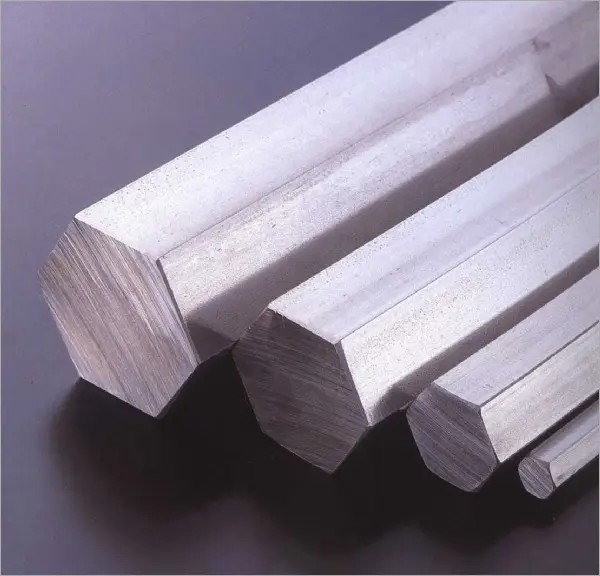
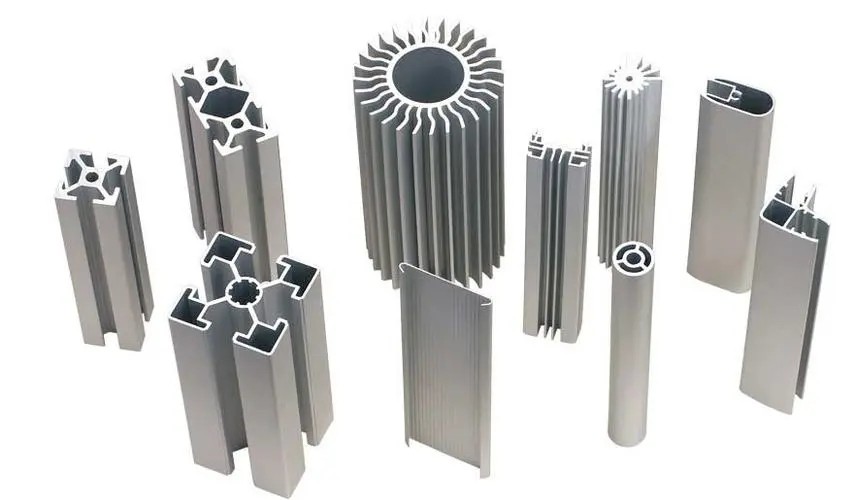
Aluminum profiles, also known as aluminum extrusions, are typically manufactured by heating aluminum ingots to a certain temperature and then using an extrusion press and specialized dies to extrude them into various shapes. They are available in a variety of structural profile sizes and geometries, along with connecting elements and functional accessories, and are primarily used in mechanical engineering and automation technology for frame substructures, cladding, protective devices, and functional applications.
Aluminum profiles are mainly classified according to their use, shape, and surface treatment.
Classification by Use
Architectural Aluminum Profiles: Primarily used for doors, windows, and curtain wall structures in buildings.
Industrial Aluminum Profiles: Widely used in industrial manufacturing fields such as automated machinery and equipment, housing frames, conveyor belts, testing equipment, shelves, the electronics and machinery industry, and clean rooms.
Rail Vehicle Structural Aluminum Alloy Profiles: Specifically used for manufacturing the body structures of rail vehicles.
Heat Sink Aluminum Profiles: Utilizing the excellent thermal conductivity of aluminum alloys, these are made into various shapes for heat dissipation components, commonly found in electronic devices.
Classification by Cross-Sectional Shape
Solid Profiles: Cross-sections do not have enclosed cavities, such as bars, angles (L-shaped), T-shaped profiles, U-channels, H-beams, and I-beams.
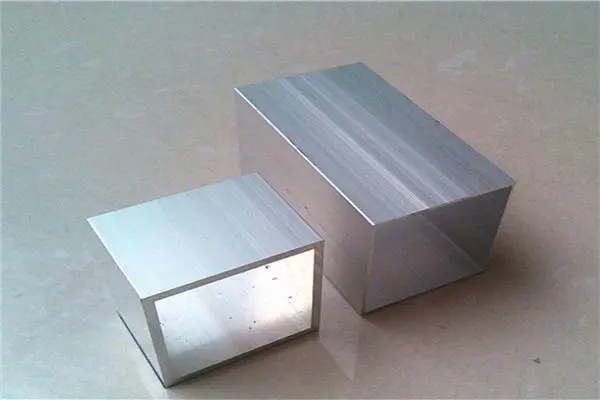
Hollow Profiles: Cross-sections have one or more enclosed cavities, such as square tubes, round tubes, and rectangular tubes.
Semi-Hollow Profiles: Cross-sections have partially enclosed cavities.
T-Slot Profiles: Special profiles with T-shaped slots, facilitating connection and modular assembly, commonly used in industrial frames and workstations.
Classification by Surface Treatment
Anodized Aluminum: An oxide film is formed through an electrochemical process to improve corrosion resistance and aesthetics.
Electrophoretic Coated Aluminum: A uniform coating is applied to the surface, providing excellent corrosion resistance and a smooth appearance.
Powder Coated Aluminum: Powder coating is sprayed onto the surface and then baked at high temperature to form a strong and durable coating, available in a variety of colors and textures.
Wood Grain Transfer Aluminum: Surface treatment that mimics wood grain, often used in architectural decoration as a substitute for solid wood.
Polished Aluminum: Including mechanical polishing and chemical polishing to obtain a high-gloss surface.
Contact: Jemil Yuan
Phone: 15640203211
Tel: 86-15640203211
Email: jemilyuan@challangetech.com
Add: No.36, Huanghai Road, Yuhong District, Shenyang City, Liaoning Province, China
We chat